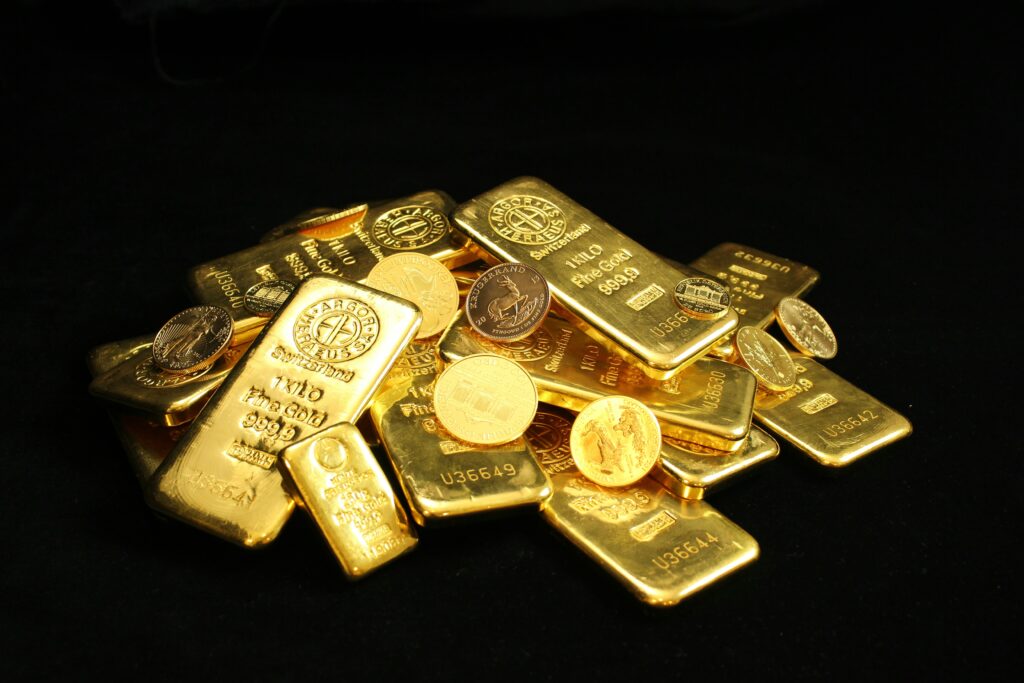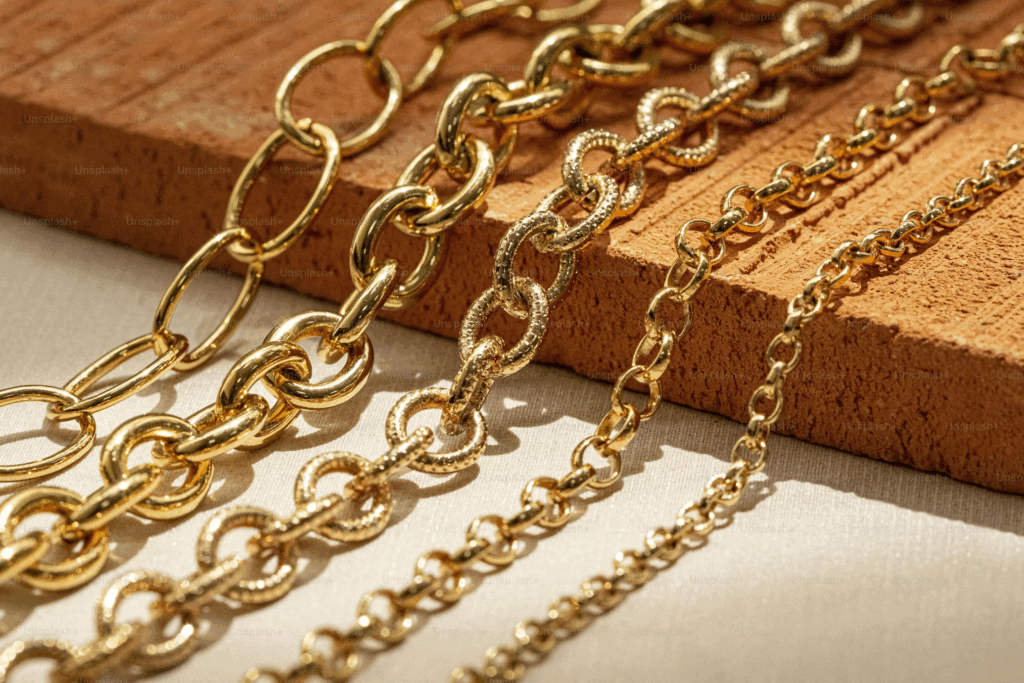
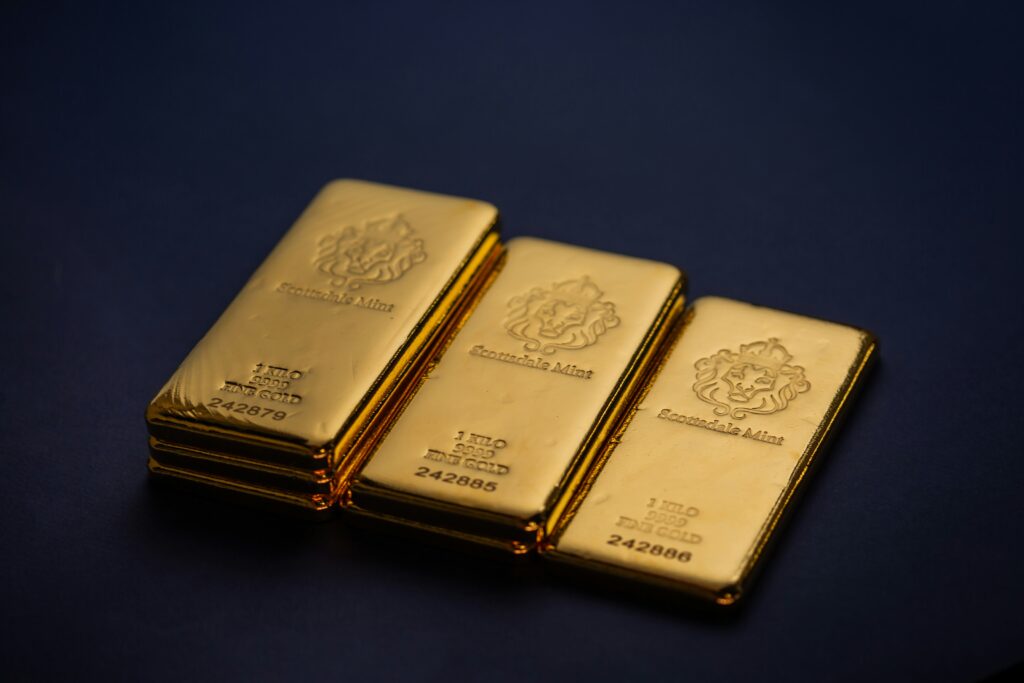

Open your jewelry box. Look closely. That broken bracelet, that single earring without its pair, that heavy chain you haven’t worn in years — they might be worth more than you think. Gold isn’t just an accessory; it’s a global currency that has retained its shine from ancient civilizations to financial capitals like Dubai and Zurich.
Gold: The Original Universal Asset
Long before digital payments and stock markets, gold was the foundation of trade. Empires rose and fell, currencies changed, but gold remained valuable. Even today, central banks and investors rely on gold as a hedge against inflation and economic uncertainty.
This is why selling gold isn’t a desperate move — it’s a strategic financial decision.
Why People Are Selling Gold in 2026
- High global gold prices
- Rising cost of living
- Desire to declutter and simplify
- Need for fast, secure cash
Many households are discovering hidden liquidity sitting quietly in drawers and safes.
The Smart Seller’s Checklist
- Know the Karat: 24K is pure gold, while 22K, 18K, and 14K contain other metals.
- Weigh It Accurately: Gold is priced by weight, usually per gram.
- Track the Market: Gold prices fluctuate daily based on global demand.
- Choose Trusted Buyers: Transparency and proper testing equipment matter.
Breaking the Emotional Barrier
One of the biggest reasons people hesitate to sell gold is emotional attachment. But remember: memories don’t disappear when jewelry does. Taking a photo or keeping one meaningful piece can preserve sentiment while freeing up financial flexibility.
Creative Ways to Use the Money
- Start a side business
- Invest in property
- Pay off high-interest debt
- Build an emergency fund
Gold sitting idle earns nothing. Cash in hand creates possibilities.
The Bottom Line
Gold has always symbolized wealth — but real wealth is having options. Selling your gold can be a smart move when done strategically, with knowledge and confidence.
So the next time you open that jewelry box, ask yourself: is it decoration, or is it opportunity?